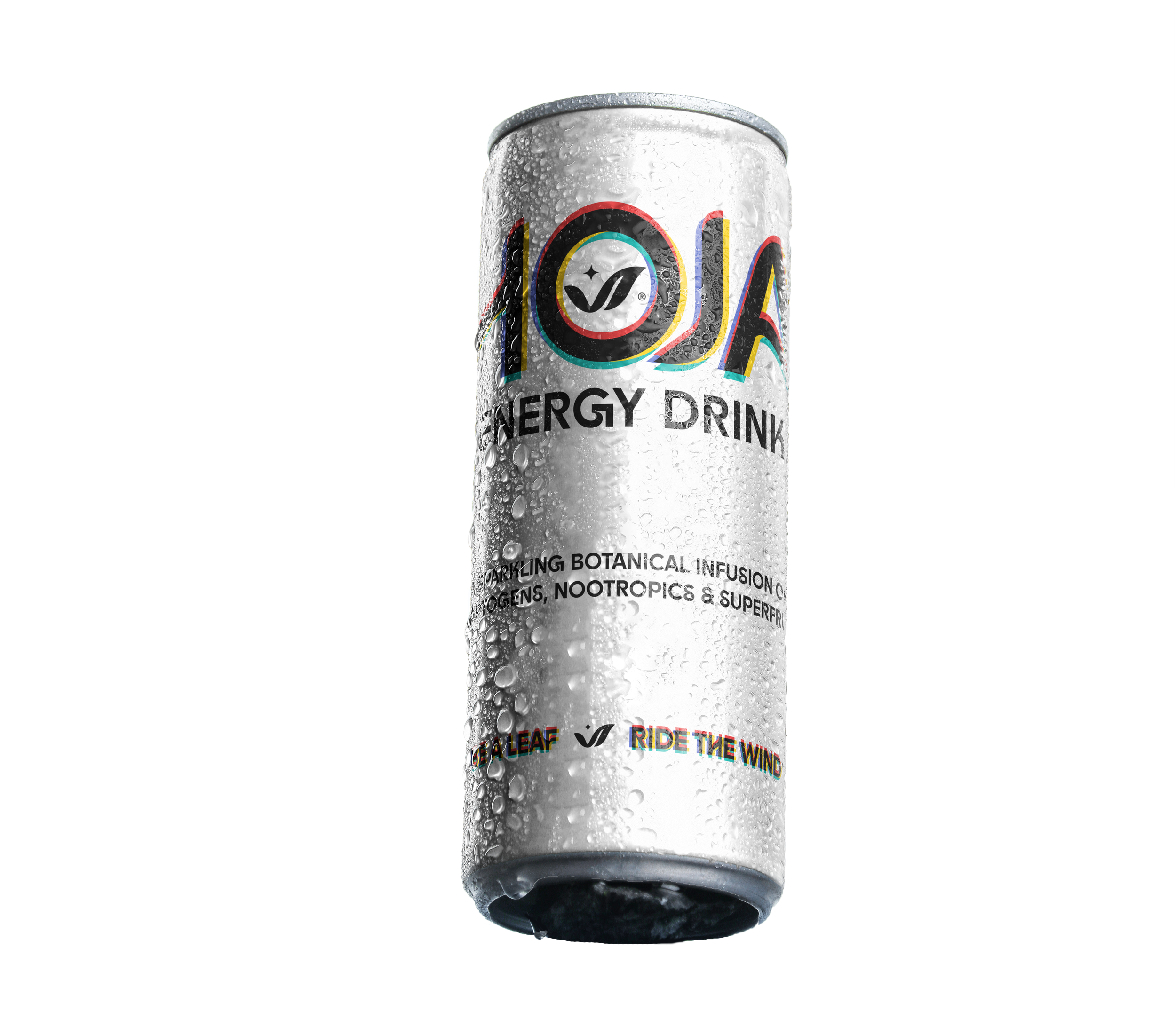
ENERGY DRINK

ENERGY DRINK

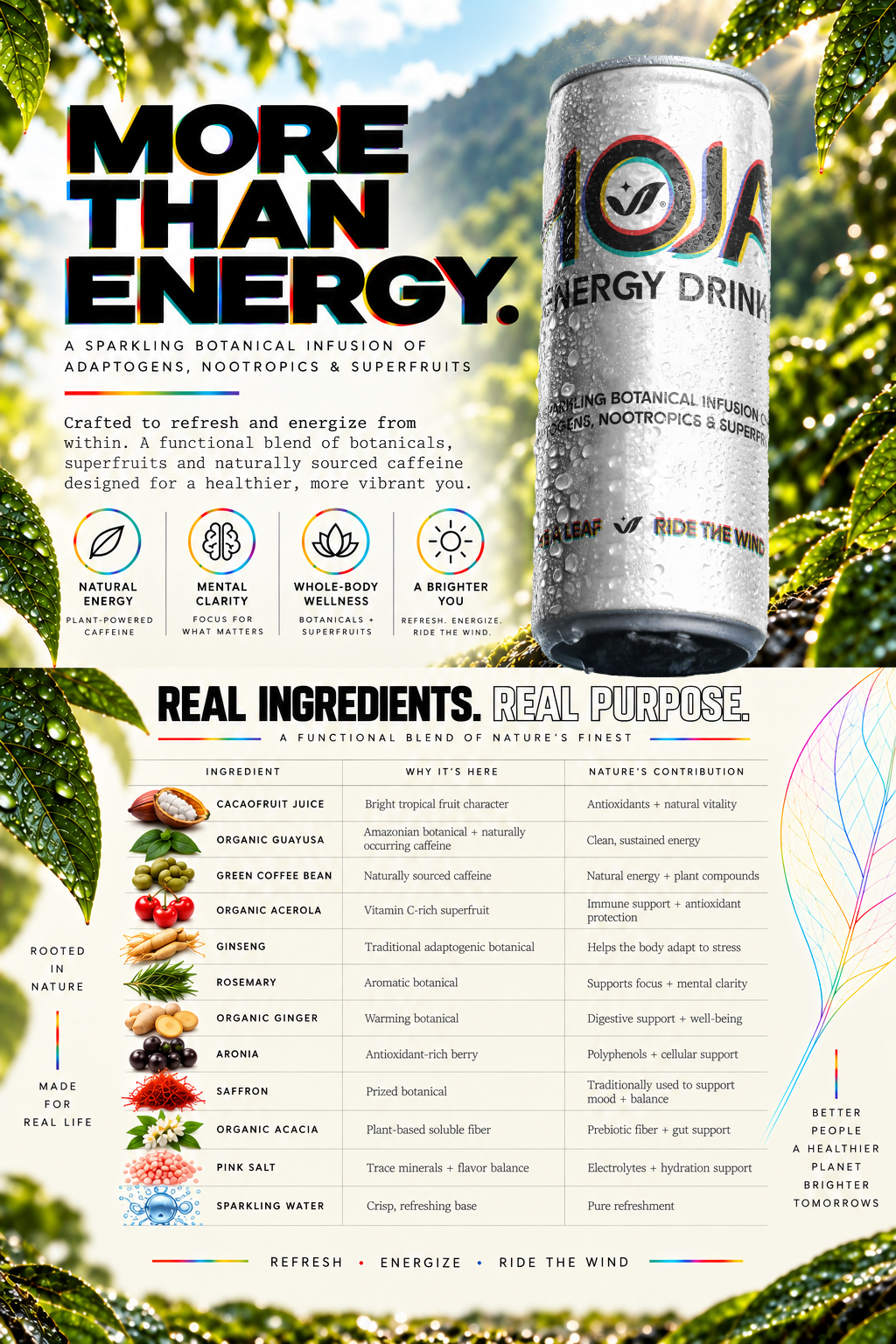
a sparkling botanical infusion of adaptogens, nootropics & superfruits

HOJA (oh-hah) DE VIDA is crafted to refresh and energize from within. Taste and see!

RIDE THE WIND

RIDE THE WIND

ingredients

  • Historical Perspective

    Traces of cacao use and domestication date back 5,300 years to the Southern Ecuadorian Amazon where the famous fine flavor aromatic variety, Nacional, is said to have originated.๐Ÿ”—

    While the chocolatey beans possess a rich history, having been used ritualistically across cultures and generations, the fruity pulp surrounding cacaoโ€™s prized bean has remained a relatively unknown to the general public until recently.

    Only 30% of cacaofruit gets used for developing cacaoโ€™s chocolatey flavor via fermentation. The remaining 70% of the juicy pulp typically is thrown away. What a waste, wouldnโ€™t you say? Today, growers are trying to recapture what was once lost by upcycling the refreshing cacaofruit.๐Ÿ”—

    Health Perspective

    Cacaofruit is naturally rich in rejuvenating vitamins and minerals. One such B-vitamin is biotin. Biotin has been shown to support skin, hair and nail growth while also providing a boost to your bodyโ€™s metabolism.๐Ÿ”—

    In addition to vitamin C, magnesium, potassium and iron, cacaofruit also contains antioxidants which help to protect against free radicals.๐Ÿ”—

  • Historical Perspective

    Native to the upper Amazonian basin of Ecuador, Colombia and Peru, guayusa has been consumed at parties, festivals and other social gatherings for thousands of years by the Kichwa people. Historical records suggest that leaves from guayusa have been used and traded for at least 2,500 years.๐Ÿ”—๐Ÿ”—

    Health Perspective

    Guayusa is a cousin plant to yerba mate and contains an intricate makeup of antioxidants and caffeine. Itโ€™s full of feel good energy and brain boosting antioxidants that help keep you steady. Clinical trials have shown guayusaโ€™s nootropic, cognitive enhancing potential for improving both mood and focus, while its unique stimulatory composition provides a gentle, jitter-free energy.๐Ÿ”—๐Ÿ”—

  • Historical Perspective

    Acerola, commonly known as the Barbados cherry, is most likely native to the the islands of the Caribbean and Antilles, although it may be found in the wild and cultivated in northern South America, Central America and Southern Mexico as well.๐Ÿ”—

    Health Perspective

    The tropical fruit is full of immune boosting antioxidants such as vitamin C, flavonoids and also carotenoids that may reduce the risk of many chronic diseases. Acerola contains 50 times more vitamin C than oranges. In addition to its immune boosting properties, vitamin C has been shown to play a role in maintaining the bodyโ€™s connective tissue. It can also help protect your heart, repair and restore tissues, and boost the absorption of other nutrients in the body.๐Ÿ”—๐Ÿ”—

  • Historical Perspective

    The word coffee entered the English language in 1582 via the Dutch koffie, borrowed from the Ottoman Turkish kahve, borrowed in turn from the Arabic qahwah. Itโ€™s thought that the original domesticated coffee plant is said to have been from Harar in eastern Ethiopia.๐Ÿ”—

    Health Perspective

    In addition to caffeine, green coffee beans are high in chlorogenic acid, a promising antioxidant whose potential benefits include anti-inflammatory, anti-diabetic, anti-cancer, anti-obesity and neuroprotection.๐Ÿ”—

  • Historical Perspective

    One of the first written texts mentioning the use of ginseng as a medicinal herb was the Shen Nong Pharmacopoeia, written in China in 196 AD. In his Compendium of Materia Medica Herbal of 1596, Li Shizhen described ginseng as a "superior tonic". However, the herb was not used as a "cure-all" medicine, but more specifically as a tonic for patients with chronic illnesses and those who were convalescing.๐Ÿ”—๐Ÿ”—

    Ginseng is found in cooler climates โ€“ Korean Peninsula, Northeast China, Russian Far East, Canada and the United States, although some species grow in warm regions โ€“ South China ginseng being native to Southwest China and Vietnam.๐Ÿ”—

    Health Perspective

    Ginseng contains various pharmacological components, including a series of tetracyclic triterpenoid saponins (ginsenosides), polyacetylenes, polyphenolic compounds and acidic polysaccharides. Due to the presence of these plant compounds, it has the following potential benefits: improved mood and reduced stress, improved brain function, reduced inflammation, weight loss aid, improved sexual function, improved lung function, blood sugar regulation, anti-cancer and overall immune boosting properties.๐Ÿ”—

  • Historical Perspective

    The name โ€œrosemaryโ€ comes from the Latin ros marinus, meaning โ€œdew of the sea,โ€ referring to the plantโ€™s ability to survive with only the moisture from sea air. Rosemary has been cultivated for thousands of years in the Mediterranean region, where it was valued for its culinary, medicinal, and symbolic properties.

    The Egyptians used rosemary in burial rituals, and traces have been found in tombs dating back 5,000 years ago. In ancient Greece and Rome it was associated with memory and purification, often burned as incense, and thought to banish diseases and evil spirits. During the Middle Ages, rosemary was widely used in Europe to ward off illness and often burned in homes and hospitals for purification. In the 9th century it was cultivated in imperial gardens under Roman Emperor Charlemagneโ€™s orders.๐Ÿ”—

    Health Perspective

    Aside from having a pleasant fragrance and taste, this herb is a good source of anti-inflammatory and antioxidant compounds, as well as essential nutrients including iron, calcium, and vitamins A, C, and B6. The uplifting and energizing aroma of rosemary has been linked to adaptogenic benefits such as improved moods, reduced drowsiness and reduced stress levels due to its ability to decrease release of the โ€œstress hormoneโ€ cortisol. By promoting mitochondrial biogenesis and activating the AMPK pathway, rosmarinic acid has been shown to enhance cellular energy production further fortifying resilience to stressors as well. Rosemary has also been used for centuries to provide a boost to both the brain and the immune system, and even to stimulate hair growth. ๐Ÿ”—๐Ÿ”—๐Ÿ”—

  • Historical Perspective

    Gingerโ€™s generic name, Zingiber, is derived from the Greek zingiberis, which comes from the Sanskrit name of the spice, singabera. Its use in India and China has been known from ancient times, and, by the 1st century, traders had taken ginger into the Mediterranean region. By the 11th century, it was well known in England. The Spaniards brought it to the West Indies and Mexico soon after the conquest, and by 1547, ginger was being exported from Santiago, Cuba to Spain.๐Ÿ”—

    Health Perspective

    Ginger contains bioactive compounds called gingerols, which have potent anti-inflammatory effects helping to reduce pain, swelling and arthritic symptoms. Ginger has also shown promise in lowering cholesterol levels, improving circulation and regulating blood sugar.๐Ÿ”—

    Additional benefits include treating nausea and morning sickness, fighting fungal infections, protecting against stomach ulcers, easing menstrual pain, inhibiting cancer growth and fighting obesity.๐Ÿ”—

  • Historical Perspective

    Native to North America, aronia berries, or chokeberries as theyโ€™re more commonly called, were traditionally used by Native Americans as a food source and natural remedy for colds and other ailments. They also pounded the berries into dried meat as a natural preservative for pemmican.๐Ÿ”—

    Health Perspective

    This little purple superfruit pack a punch. Exceptionally rich in antioxidants, aronia berries have exhibited cardiovascular, metabolic, anti-cancer, anti-inflammatory and antimicrobial benefits. One study of young football players found that daily supplementation of aronia berry extract produced significant improvements in iron metabolism, blood antioxidation, and athletic performance as well.๐Ÿ”—

  • Historical Perspective

    Saffron, a purple flower thought to be native to Iran, has crimson threads called stigma that are collected, dried and sold as the most expensive spice in the world. As of 2024, Iran produced roughly 90% of the saffron worldwide.๐Ÿ”—

    The treasured herb was even mentioned in the Bible in the book Song of Solomon, along with myrrh, aloe, calamus and cinnamon as one of the most precious spices.๐Ÿ”—

    Health Perspective

    Saffron contains bioactive compounds including crocin, safranal and picrocrocin which are believed to provide both adaptogenic and nootropic benefits such as improved mood, better quality of sleep and enhanced cognitive function.๐Ÿ”—

    Itโ€™s also been shown to boost cardiovascular function, help erectile dysfunction, alleviate symptoms of PMS, promote satiety and weight loss, while improving anxiety and depression as well.๐Ÿ”—

  • Historical Perspective

    Principally harvested from wild trees in Sudan, Senegal and Somalia, acacia fiber is derived from the sticky sap of the acacia senegal tree. At least 70,000 years ago, in the Stone Age, acacia sap was already being used as a food in the Sahara and as an adhesive in Africa.

    Around 7,000 years ago, Chinese and Japanese artisans used acacia sap for painting. Other documented usages of acacia have shown that in Ancient Egypt, around 2,650 BC, acacia sap was used in the preparation of inks, watercolors and dyes. It was a pigment binder for paints used to make hieroglyphs. Ancient inscriptions refer to it as โ€œkamiโ€.๐Ÿ”—

    Health Perspective

    Acaciaโ€™s prebiotic fiber has been shown to support gut health by increasing healthy bacteria, decreasing unhealthy bacteria, and reducing inflammation in the digestive system. It also helps to enhance fullness and satiety, making it an effective weight loss companion. Not only that, but fiber and caffeine have shown a synergistic effect resulting in a steadier, more controlled release of energy as your body metabolizes the fiber and caffeine simultaneously.๐Ÿ”—๐Ÿ”—

    Additionally, acacia contains bioactive compounds with anti-carcinogenic and antioxidant properties. These bioactive compounds exhibit properties that can prevent cancer cell growth, reduce inflammation and neutralize free radicals, thereby offering protective health benefits. Did we mention that it makes a glorious foam?๐Ÿ”—